
The Link Between Sleep Quality and Learnability in Dogs
For your dog, sleep is much more than just a rest period; it helps the brain process learned information and regulate emotions. Current research shows how crucial sleep quality is for learning success. While emotional impressions are primarily processed during REM sleep (dream sleep), the actual consolidation of new knowledge occurs during deep sleep.
- The study by Kis et al. (2017) proves that dogs need increased deep sleep phases after learning tasks to reliably transfer commands from short-term to long-term memory.
- Sleep deprivation demonstrably leads to increased irritability, heightened anxiety, and can even promote aggressive behavior.
- Deep sleep phases are essential for neurological regeneration and promote emotional stability in everyday life.

What we frequently hear from our experience is that dogs who sleep poorly often show less willingness to learn and are more restless in everyday life. Many customers report that training progress significantly improves as soon as the dog gets better rest due to an optimized sleep environment. If you want to know more about the general basics, also read our article about how sleep phases in dogs work.
Source: Kis et al. (2017) – Scientific Reports: Sleep-dependent learning in dogs.
Deep Sleep in Dogs: What You Should Know
The deep sleep phase is one of the most important regeneration periods for your dog. During this phase, the brain works hard to sort and store the day's experiences, especially new content from training.
- Dogs primarily sort motor sequences and new facts during undisturbed deep sleep phases.
- The duration of the deep sleep phase varies but often makes up about 20 to 30% of the total sleep time. It is significantly more susceptible to disturbances than light sleep.
- The so-called 3-3-3 rule describes an exemplary sleep structure (3 hours sleep, 3 hours wakefulness, 3 hours rest), which helps to plan the necessary regeneration windows for learning success in everyday life.
Many dog owners underestimate that a dog only enters these deep phases when it feels physically safe and completely relaxed. Promoting deep sleep is therefore an important key to sustainable behavioral changes.
Source: Kis et al. (2017) – Scientific Reports: Sleep-dependent learning in dogs.
How an Orthopedic Dog Bed Leads Your Dog to Better Deep Sleep
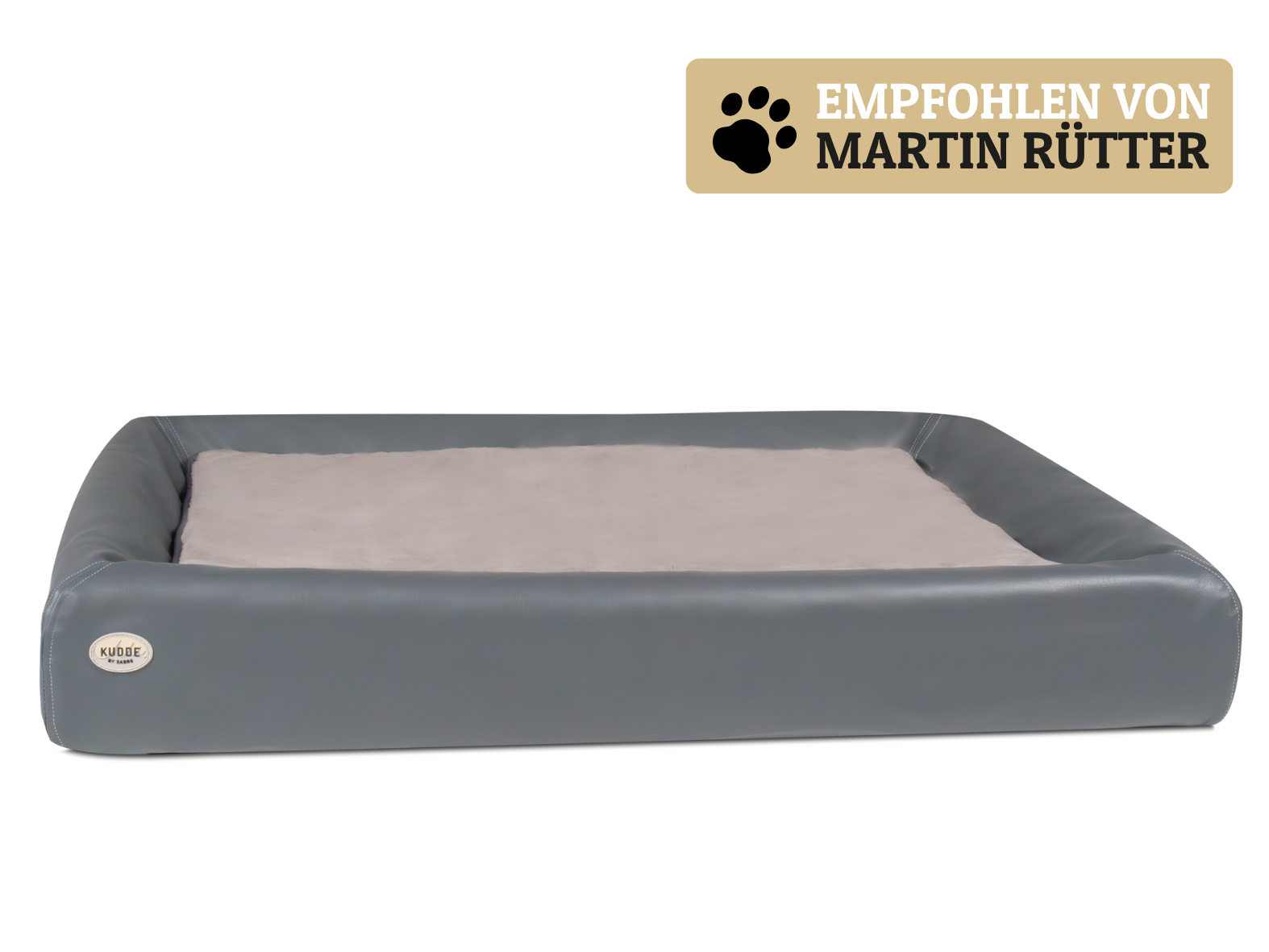
The right dog bed can demonstrably be a decisive factor for healthy sleep. Only when the body is orthopedically correctly positioned can "micro-awakenings" due to pressure points or uncomfortable lying positions be prevented. This is where the KUDDE dog bed helps your dog to extend their deep sleep phases.
- The orthopedic foam relieves joints and reduces pressure points, which only makes deep physical relaxation possible.
- The ergonomic shape allows your dog to fully stretch out to their natural length and relieve the spine.
- This means the muscles do not have to perform holding work to stabilize the body in an unnatural position – the biological prerequisite for the brain to safely slip into deep sleep.
- A high rim conveys the biological feeling of security and safety: the basis for the nervous system to switch to "recovery".
- The long-lasting dimensional stability prevents sagging and ensures consistently high sleep quality for many years.
Dogs of all ages noticeably benefit from this regeneration. We grant you a 10-year guarantee on the dimensional stability of the foam, because quality and longevity are standard for healthy dog sleep at SABRO.
Comfort Upgrade for Maximum Relaxation
In addition to the dog bed, accessories help satisfy the natural need to nest. This lowers the cortisol level (stress) and promotes calmness.
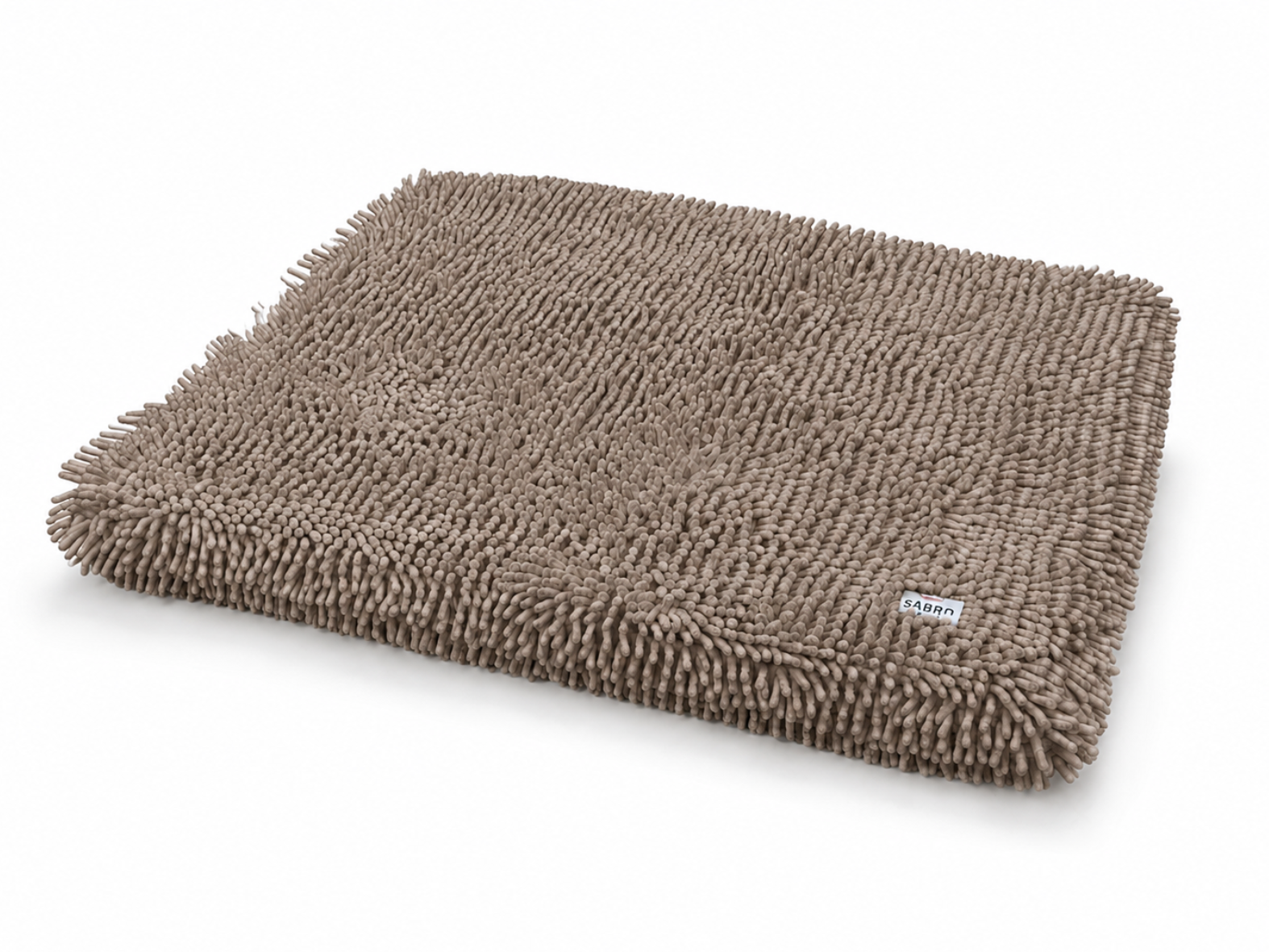
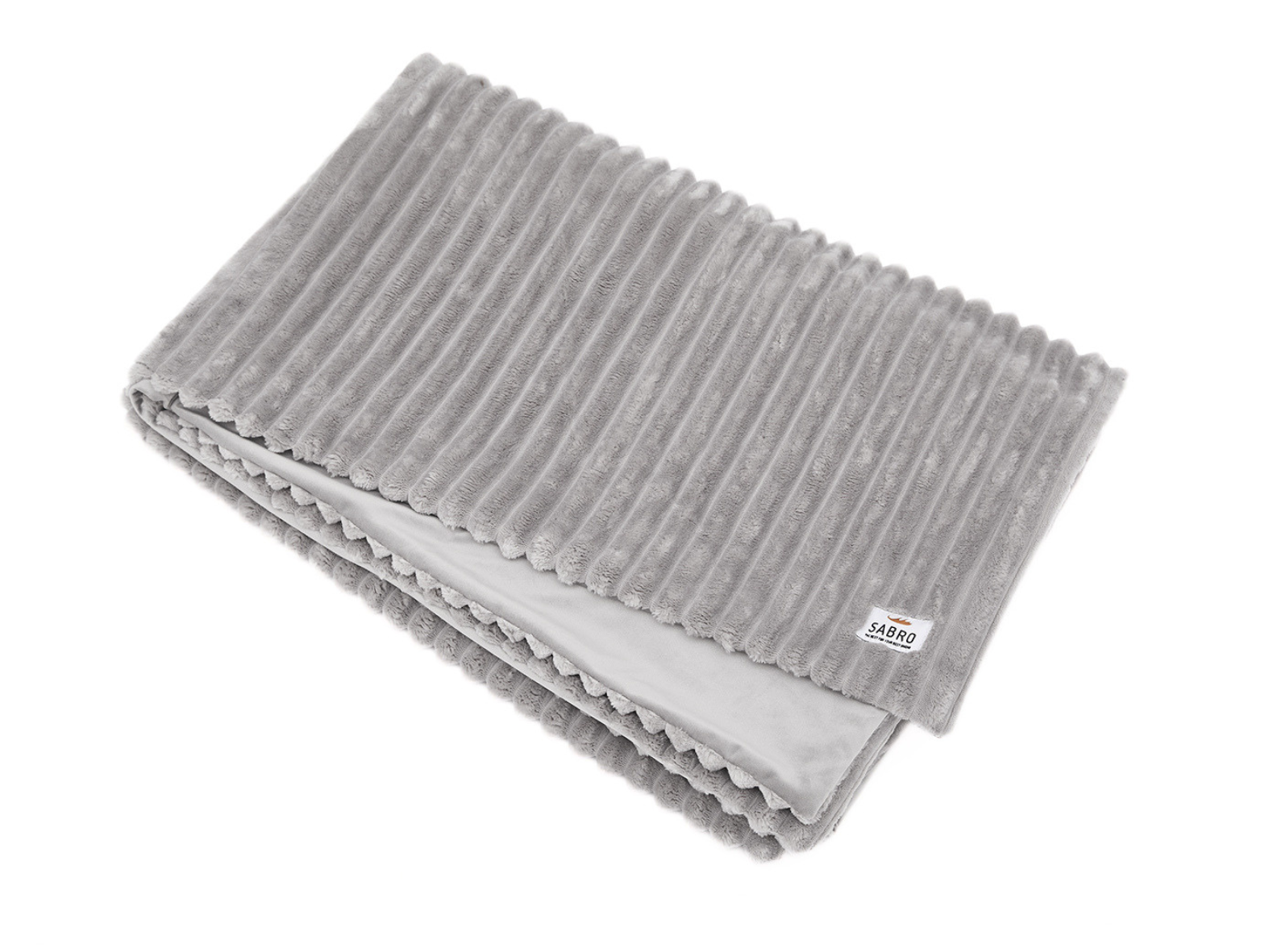
- The MJUCK insert made of soft wide corduroy offers a high cuddle factor and comforting warmth, ideal for quick relaxation.
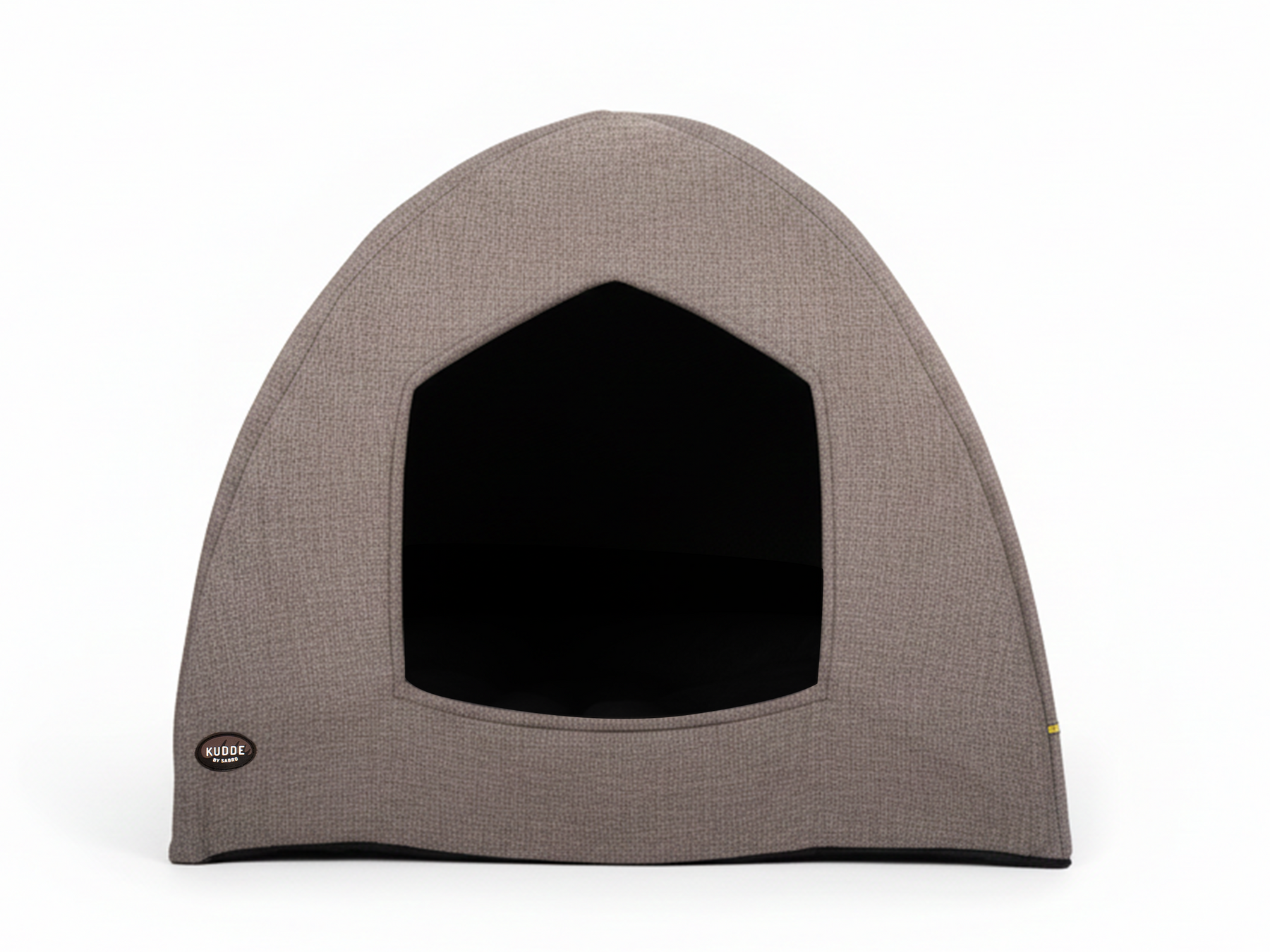
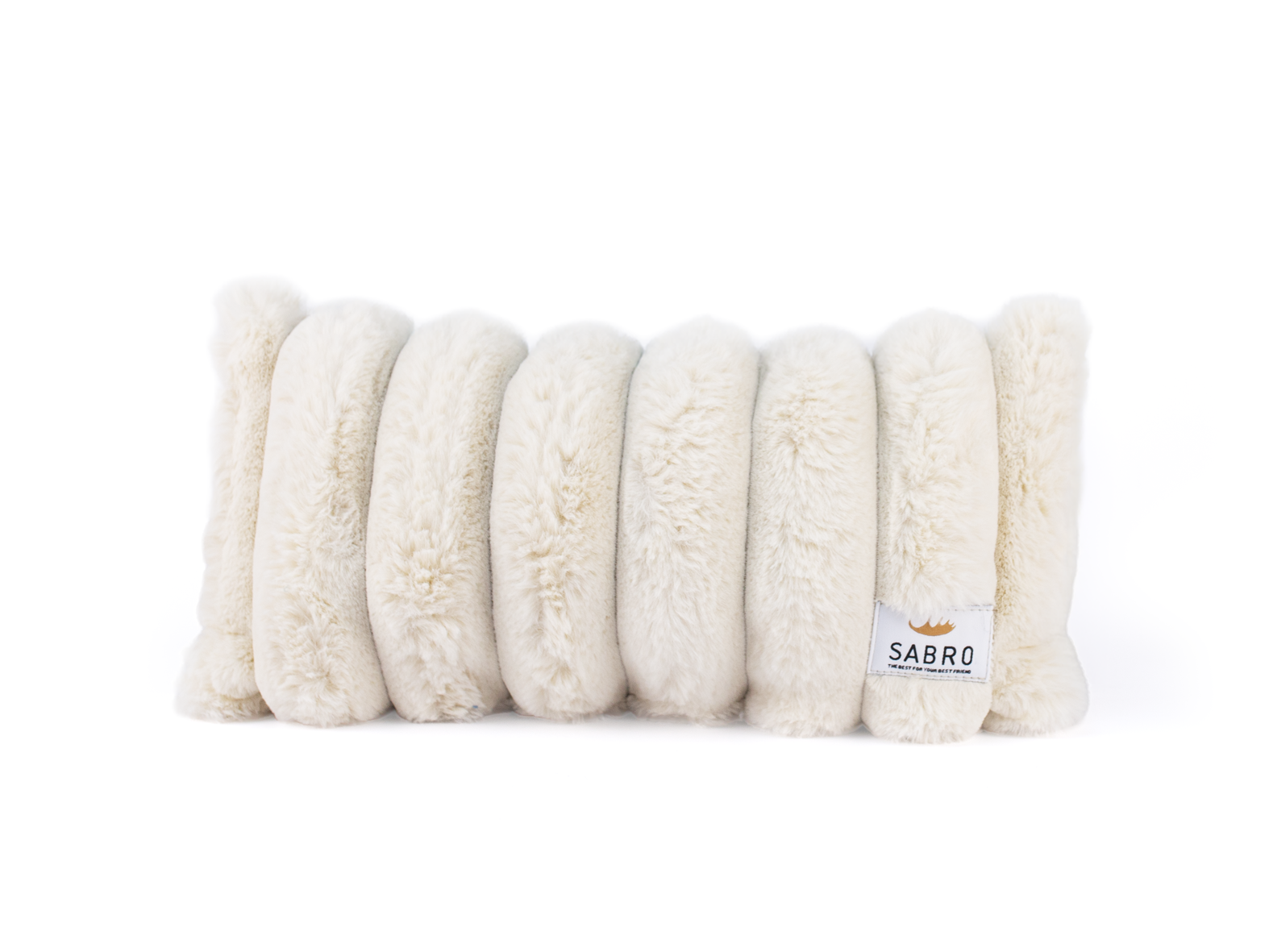
- The IGLU dog cave and the snuggle corner create a protected retreat that helps especially nervous dogs block out external stimuli and find deep sleep faster.
An optimally furnished sleeping place in a quiet location is the best prerequisite for anchoring training from the dog park in long-term memory.
Conclusion
Investing in sleep quality today saves time and nerves in training tomorrow. The orthopedic KUDDE dog bed supports this process by:
- targeted promotion of deep sleep through ergonomic relief,
- effective processing of learned content through undisturbed rest phases,
- maximum safety and security for dogs in every phase of life.
Try it out and experience how a well-rested dog learns with more focus and joy.
Frequently Asked Questions About Sleep and Learning in Dogs
How long is the deep sleep phase in dogs really?
The deep sleep phase varies depending on your dog's age, health, and activity, but it accounts for about 20 to 30% of the total sleep time. During this phase, body and mind regenerate particularly well, making it essential for learning success.
What does the 3-3-3 rule mean and why is it important for training?
The 3-3-3 rule describes a typical sleep and wake structure in dogs: 3 hours of sleep, 3 hours of wakefulness, followed by 3 hours of quiet sleep. This knowledge helps you better respect your dog's resting times and optimally plan training sessions.
Can I help my dog sleep better even without a KUDDE dog bed?
Yes, a quiet, comfortable sleeping place is generally important. However, an orthopedic dog bed like the KUDDE particularly supports a healthy sleeping posture and joint relief, which can significantly improve sleep quality.
Why is the nesting feeling with IGLU or a snuggle corner important?
The nesting feeling gives your dog a sense of security and safety, lowers the irritation threshold, and promotes relaxation. Especially for nervous dogs, it supports stress reduction behavior and access to deep sleep.
What makes the KUDDE dog bed different from other dog beds?
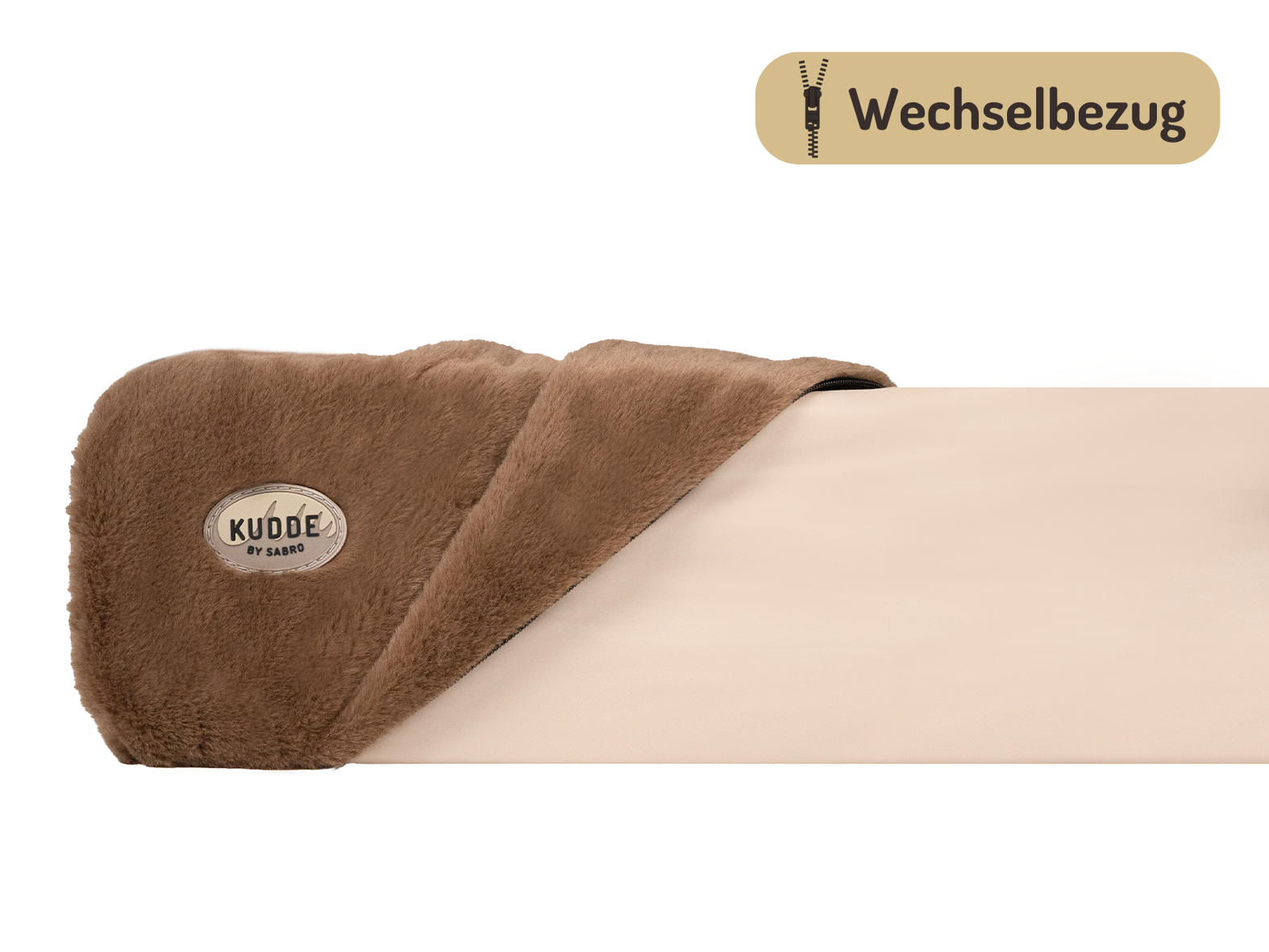
KUDDE combines orthopedic memory foam (also called visco foam) with an ergonomic design and high dimensional stability. The high rim provides support and security, the foam relieves joints, and the covers are washable at a maximum of 40°C or wipeable as needed, ideal for various needs. During development, it was important to us that the bed is durable, easy to care for, and versatile, so it meets the needs of all dogs.
How does sleep deprivation affect my dog's behavior?
Sleep deprivation often leads to increased irritability, anxiety, and even aggression. Without restful sleep, your dog learns less well and is less emotionally balanced, which negatively impacts training and everyday life. From our experience, a good sleeping place can therefore make an important contribution to well-being and success in training.