
The Kangal is one of the most imposing dogs worldwide. Just a few years ago, this breed was a rare sight in German towns and villages. However, recently, this large livestock guardian has been gaining popularity in Germany. Nevertheless, this independent breed is not suitable for everyone, and keeping one can be a real challenge.
Kangal or Karabash: what's the difference?
According to the official designation, the Kangal is an Anatolian Shepherd Dog. In its home country, Turkey, this intelligent black-headed dog is originally called Karabash. In the Turkish province of Sivas, there is a very influential family named Kangal. They began professionally breeding these giant livestock guardians very early on. This is why the Karabash owes its new name to them. Ultimately, therefore, it always refers to the same livestock guardian.
Big, Bigger, Kangal!
Upon first meeting a Kangal, many people feel a healthy dose of respect. No wonder. After all, a stately male can weigh a proud 65 kilograms with a shoulder height of up to 81 centimeters. Females are slightly smaller, at 71-79 cm, but still larger than many of their counterparts.
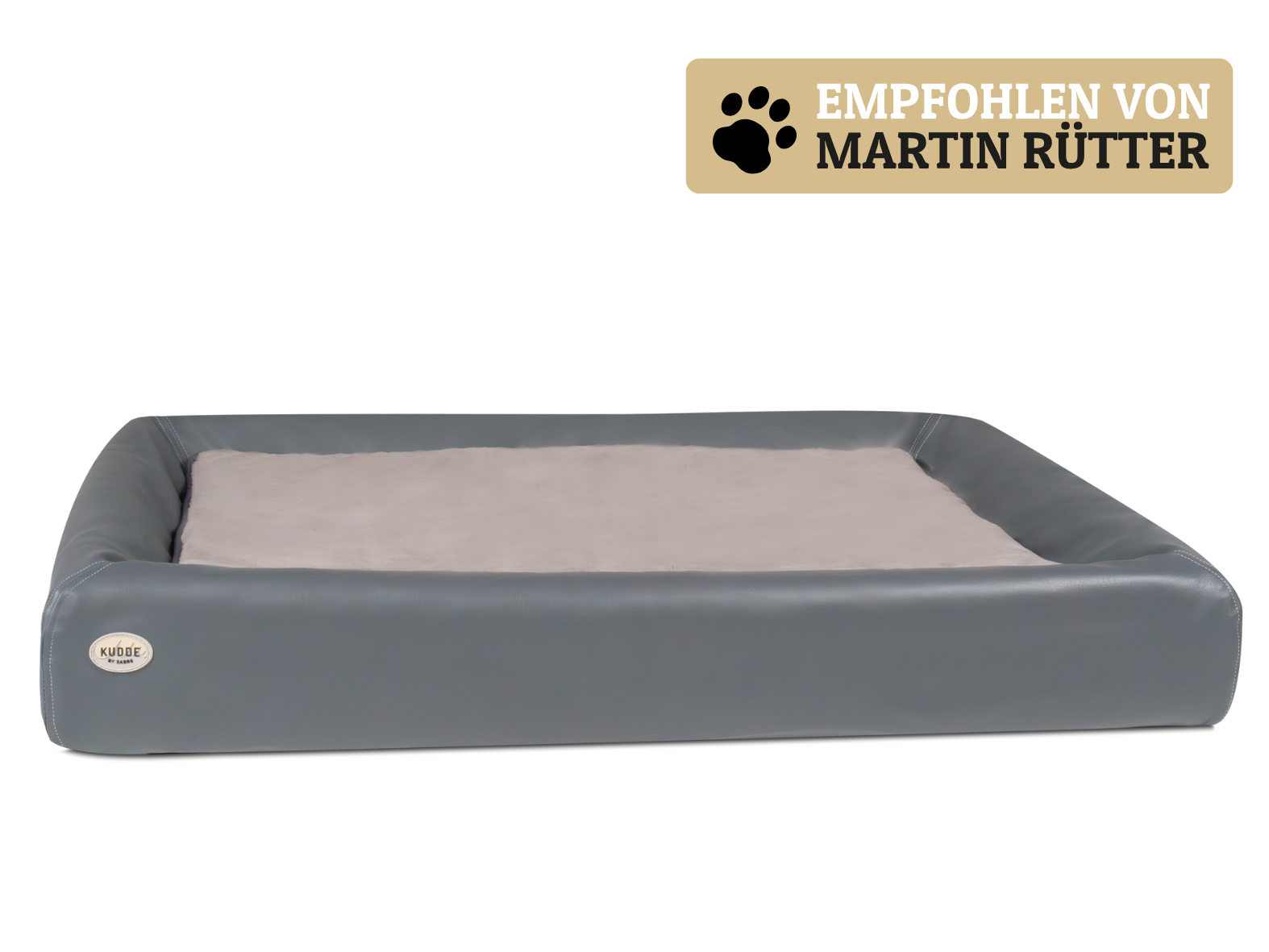
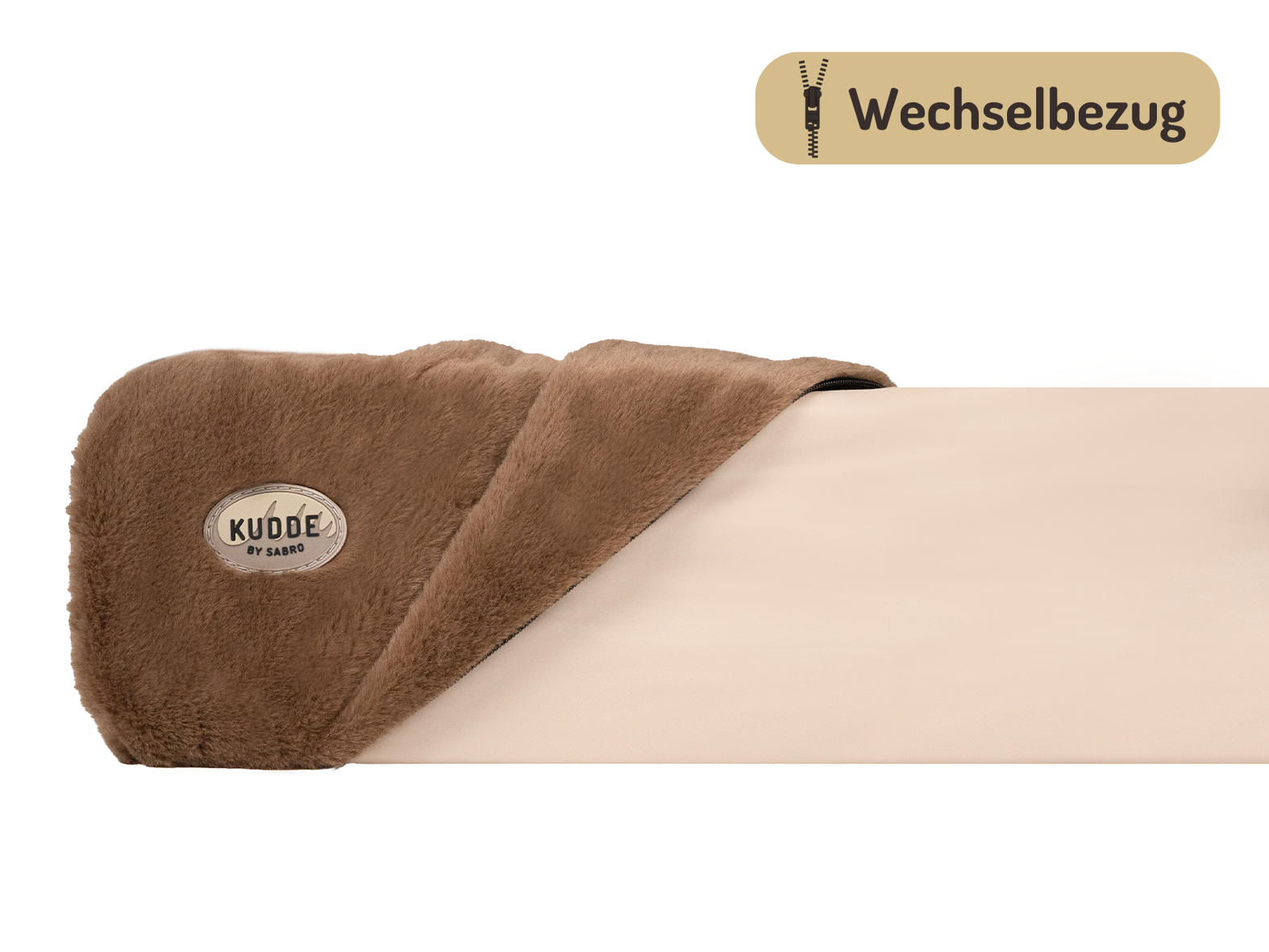
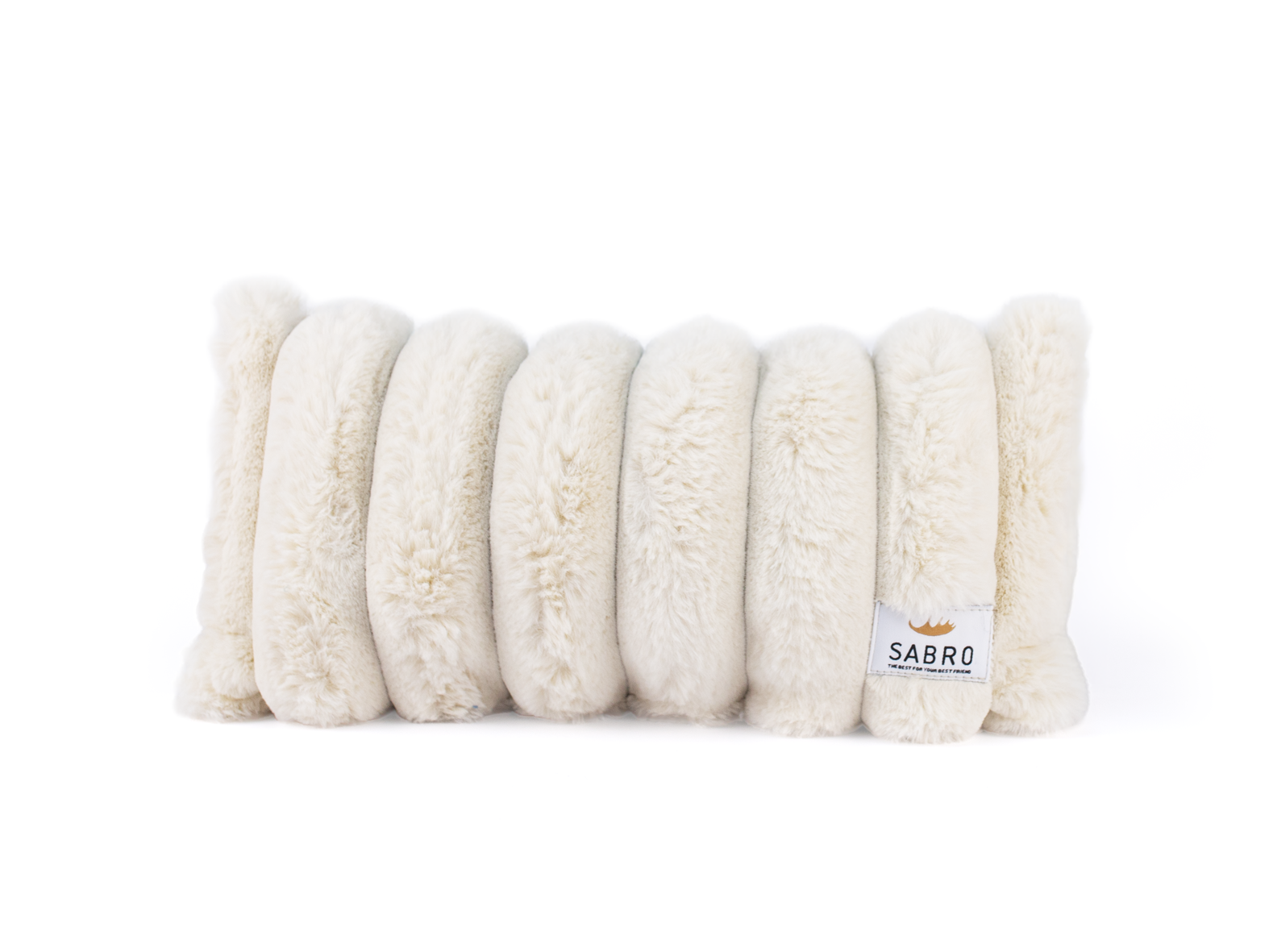
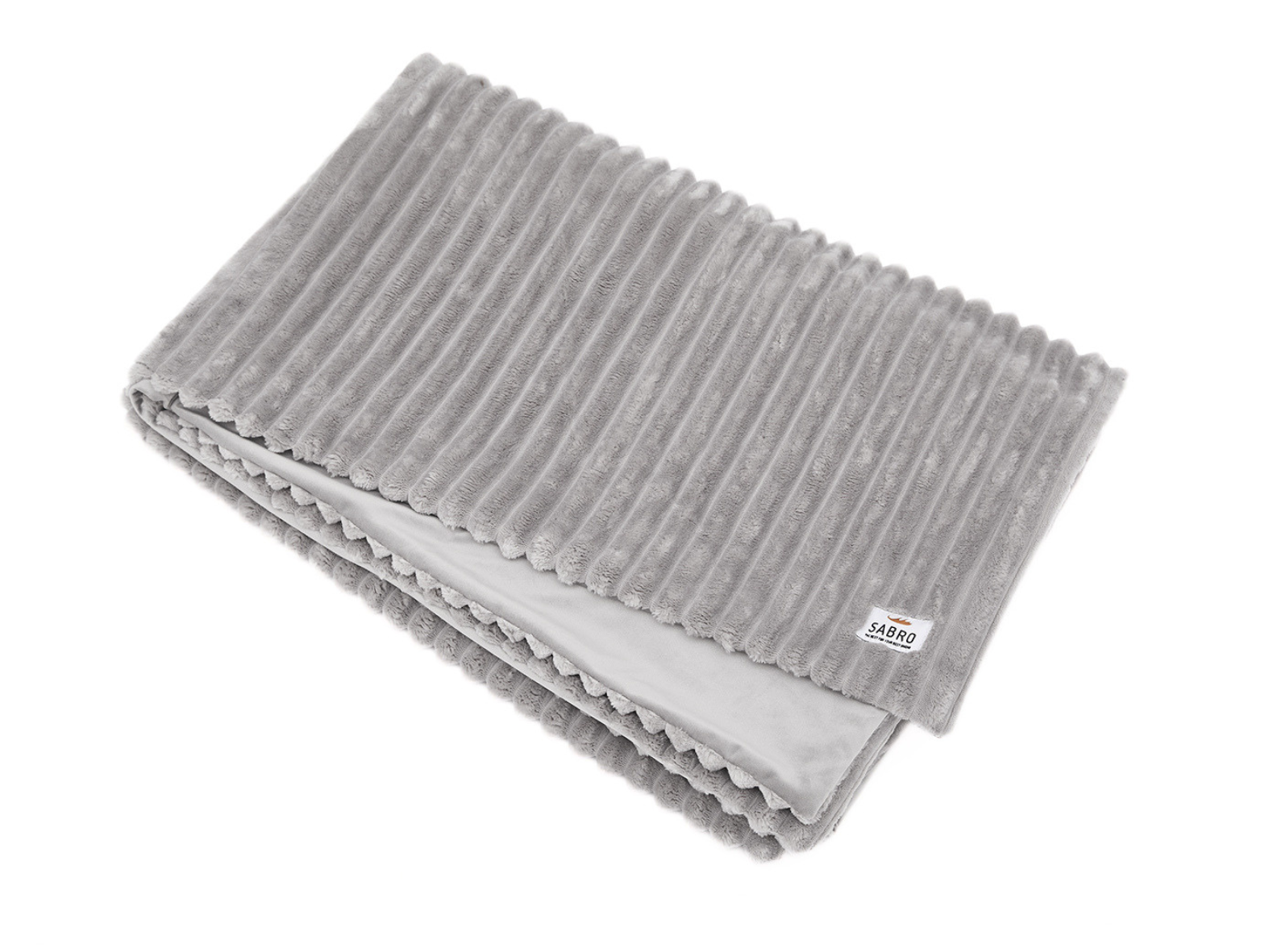
If you are considering a Kangal puppy, always remember: this cute puppy will grow into a true giant and will need a lot of space. You also need to consider its size when choosing a sleeping place. Like all other dogs, this breed needs enough space to stretch out completely. We offer a selection of orthopedic dog beds for large dogs. Here, this intelligent livestock guardian can doze to its heart's content and relax its athletic body. However, always remember: Kangals were originally bred for outdoor work. Therefore, it's not surprising that these impressive dogs can get hot quickly. Our temperature-regulating dog bed cover made from fine Alltid fabric was specially developed for this purpose.
The Kangal has its own unique character
Kangals are originally found in Turkey. There, in the mountain regions of Anatolia, these intelligent dogs and their ancestors have been guarding and defending sheep and other animals entrusted to them for about 10,000 years. These livestock guardians are often on their own for weeks and make their own decisions.
Even though most livestock guardians no longer fight bears and wolves, this ability still lies deep within their genes. Therefore, it is not surprising that this dog breed is considered particularly independent and territorial. Of course, every dog is an individual and has its own unique characteristics. But the fundamental tendencies of this breed are those of an independent guardian and protector. Therefore, conflicts between these livestock guardians and other dogs often arise during encounters. A Kangal is not a pack animal in the traditional sense. This imposing giant does not want to play with unfamiliar dogs but rather sees them as a threat to its territory. Even if the dog appears outwardly calm and relaxed, you should not be fooled. Dogs of this breed can react lightning-fast and defend their territory if they deem it necessary.
You must always be aware of this if you are considering owning a Kangal.
The right way to keep and care for a Kangal
At first glance, this dog breed is one of the easiest to care for. After all, these dogs don't require excessive coat care and are considered particularly robust. However, the Kangal is a very active and enduring dog. Due to its enormous strength, you should choose a leash for your walks together that is robust and fits well in your hand. In our range, you will find high-quality dog leashes made of leather or rope. A long leash is particularly suitable for off-leash training. It gives the powerful giant a large range of motion and still allows you to intervene quickly in dangerous situations. Please always remember to lead your Kangal on a harness to avoid injuries to its extremely sensitive cervical spine.
Dog sports are not recommended for Kangals. This would eventually lead to an overload of its joints. You should also avoid hectic games, as these livestock guardians can get overly excited too quickly. Fun can quickly turn serious, and in the worst-case scenario, the dogs will defend their territory or their prey.
Nevertheless, every Kangal needs a task. Only then can it fulfill its true purpose.
These elegant and athletic four-legged friends are not companion or family dogs. They are protectors and need a large garden and ideally their own herd to guard. Comfortable and extensive walks also cater to the strong urge to move of this breed. Since the dogs are extremely intelligent, you can impress them with scent work and intelligence games.
This dog breed is definitely not suitable for beginners. It requires very clear, consistent, and sovereign leadership - but of course, far removed from any aggression and violence. Even if you are very experienced with dogs, living with a Kangal can prove difficult. Ultimately, the dog itself decides whether it can and wants to show its human the necessary respect. However, once you have won the heart of a Kangal, you have gained a caring, loyal, and reliable friend for life.
Typical diseases of a Kangal
Due to its original nature, the Kangal does not suffer from breed-specific hereditary diseases. However, due to its impressive size, the breed is prone to arthrosis. This degenerative joint disease is accompanied by severe pain and restricted movement. However, you can optimally prevent the disease and alleviate the symptoms by ensuring your dog has a healthy diet. Even though Kangals are very undemanding in terms of nutrition, these large dogs still need an adequate supply of important nutrients. Joint supplements in the form of chondroitin and glucosamine can also make life easier for these giants.
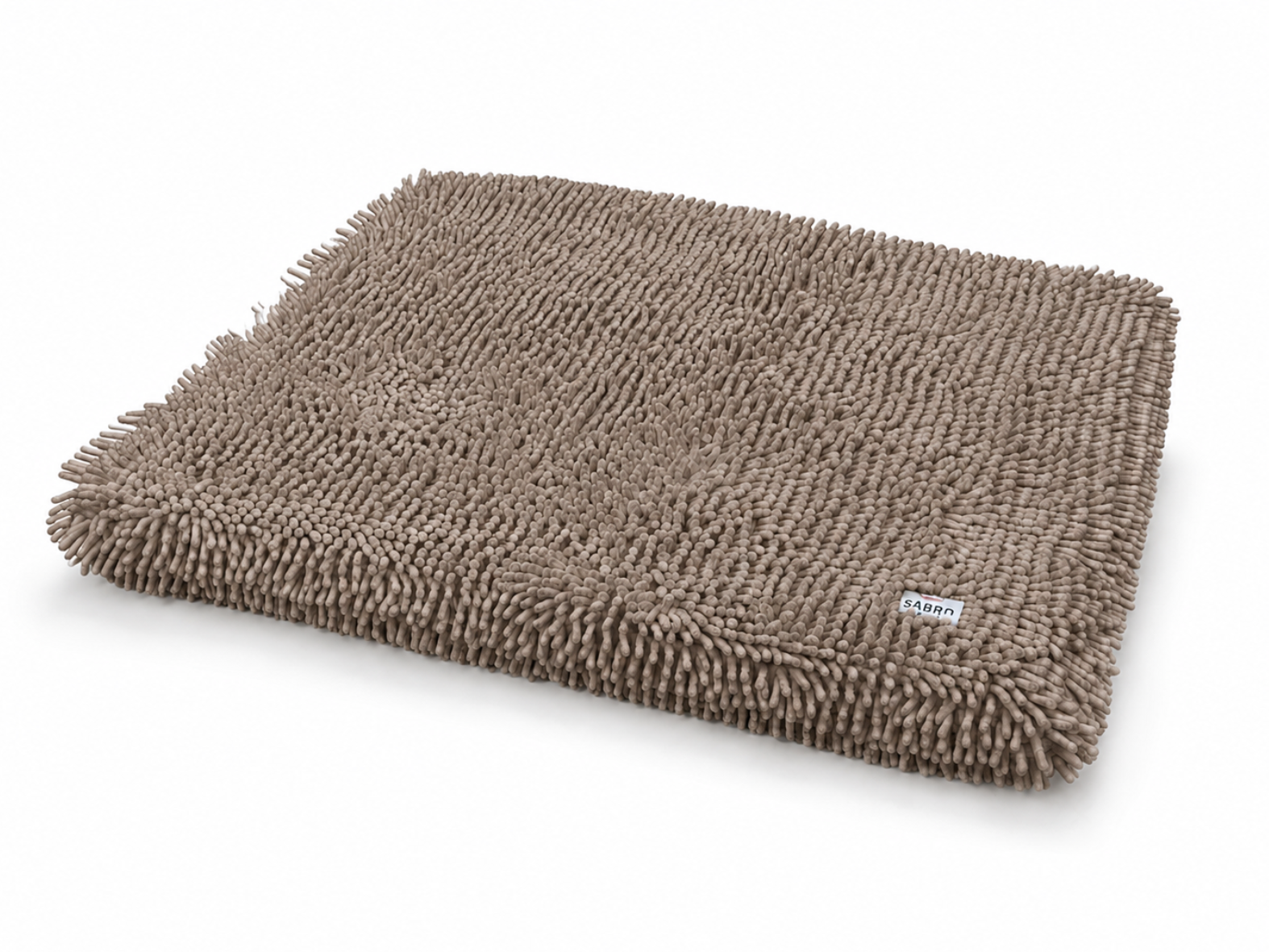
The old saying "As you make your bed, so you must lie in it" applies particularly to large dogs. Since the Kangal likes to spend a lot of time outdoors in all weathers and prefers to defend its large garden independently, you should also offer it a suitable lying place here. Our JOKKMOKK outdoor dog mat is ideally suited for this. The orthopedic lying mat is not only water-repellent and robust, but also provides your Kangal with optimal joint support.
Is the Kangal even allowed in Germany?
In principle, you are allowed to keep the Turkish Shepherd Dog in Germany. However, in some federal states, the breed is considered a so-called "list dog". Here, you need a special permit and have to pay higher dog tax.
Do you have experience with a Kangal Shepherd Dog? What are your tips? We look forward to your comment.