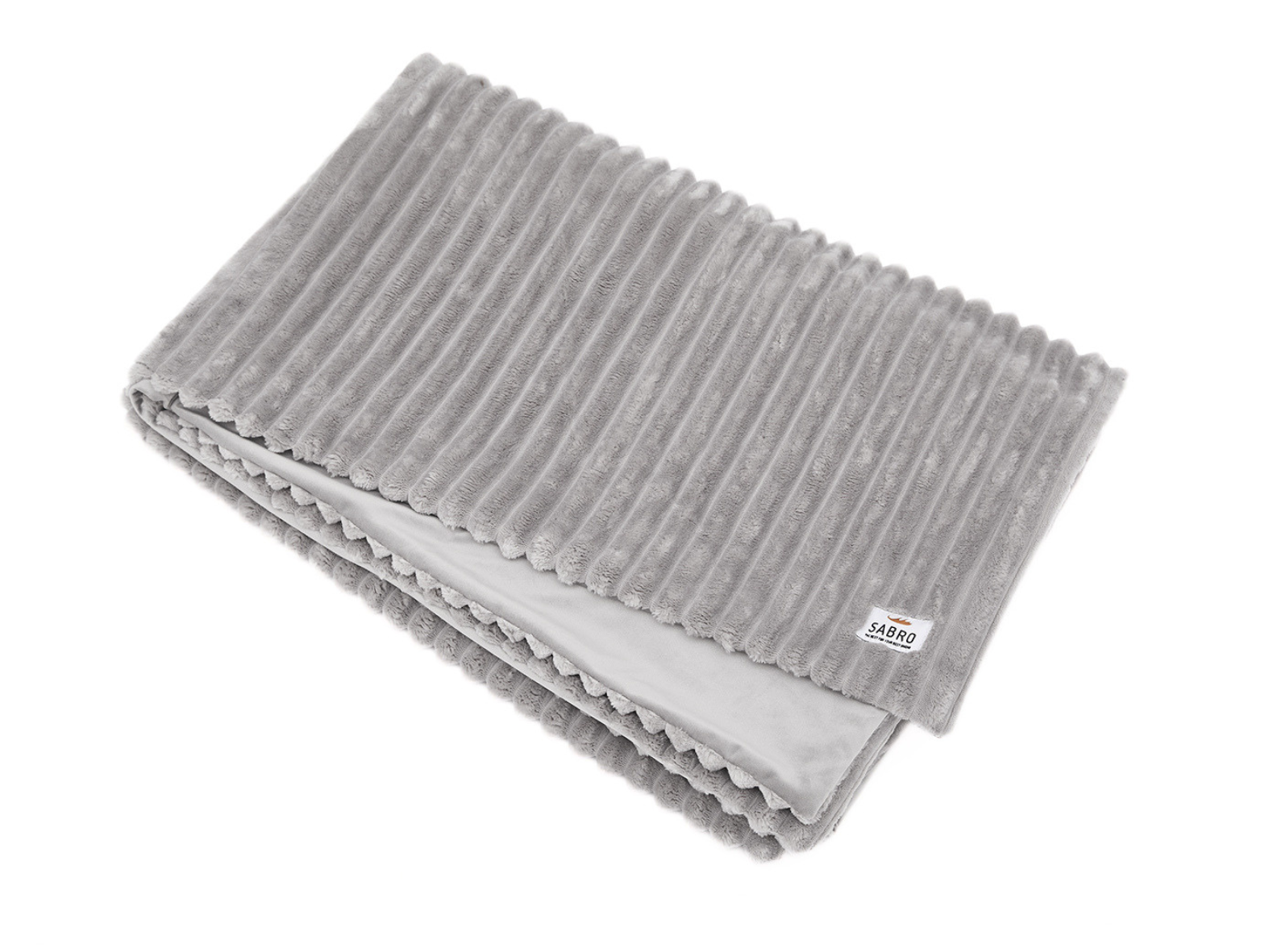

Have you ever wondered why your dog sleeps so much? Sure, the KUDDE dog bed is a super cozy and healthy sleeping place for dogs, which even Martin Rütter swears by. Nevertheless, it can sometimes be surprising how much time dogs spend sleeping. In this article, you will learn:
- why dogs sleep so much,
- how their sleep habits developed,
- what you can do to make their sleep truly restful,
- how and when to best wake a sleeping dog.
Why do dogs sleep so much? The essentials at a glance
- Dogs are real sleepyheads and need between 12 and 14 hours of sleep daily, puppies and older dogs sometimes even up to 20 hours! But don't worry, they recover, heal minor injuries, and consolidate memories during this time.
- Dogs sleep more frequently than humans in small intervals – they inherited this from their ancestors, wild wolves. However, just like us humans, they go through different sleep phases.
- In lighter sleep phases, dogs can be gently woken up – in deep sleep, it's better to let them enjoy their well-deserved rest.
Sleep requirements in dogs – what is normal?
Dogs spend a large part of their lives sleeping. On average, they sleep soundly for 12 to 14 hours a day, with puppies and older dogs requiring even more sleep. In addition, there's a lot of napping and twilight sleep, which is also important for our four-legged friends. So, 18 hours of "lying around doing nothing" is completely normal for an adult dog! But why do dogs actually sleep so much?
To understand this, we first need to look at their ancestors. Dogs are descended from wolves, who in the wild typically sleep in short bursts to recharge their energy reserves and stay vigilant. This type of sleep pattern has been retained in dogs, and they therefore also often sleep in shorter intervals. So their deeper sleep is distributed over approximately 8 hours during the night – and 4-6 hours in intervals throughout the day. In addition, there is a similar amount of time during which they doze.
The different sleep phases
Similar to humans, dogs go through different sleep phases. These can be divided into two main phases:
- REM sleep (Rapid Eye Movement) and
- deep sleep
- twilight sleep or "dozing"
REM sleep
During REM sleep, dogs dream and process, for example, the smell of the great "marking" during walks, the cuddles, or the visit of the nasty mailman they barked at again. In this phase, they are often restless and move their paws or twitch. REM sleep is important for the dog's mental health and learning ability.
Deep sleep
Deep sleep is a well-deserved break for the dog to recover from daily stresses, e.g., reluctantly listening to its owner. In this phase, the dog is deeply relaxed, and its muscles are completely flaccid. Deep sleep is crucial for the dog's physical recovery and growth.
Twilight sleep/Dozing
You probably know this: your furry friend sometimes lies there with closed eyes, but its ears still react to every sound. In this case, your dog is more relaxing than sleeping. Its brain remains active. This form of dozing or twilight sleep is also common, for example, when cuddling on the sofa. Dogs spend almost 50% of their daily rest in this state!
Factors affecting sleep requirements
Various factors can influence dogs' sleep requirements. Here are some important factors:
Age
As with humans, dogs' sleep requirements change throughout their lives. Puppies and older dogs tend to sleep more than adult dogs. Puppies like to get up at night because they have to go again, while our older companions wake up because their bones hurt, just like ours do later.
Size
The size of the dog can also affect sleep requirements. As you know, with smaller dogs, everything is a bit faster. They tend to have a higher metabolism and need to burn more energy to stay warm. They therefore need more sleep than slightly larger dogs. Very large dogs, on the other hand, age faster and, like St. Bernards, have a lot of body to carry around. That's why they often need more sleep to recover.
Activity level
Dogs that spend a lot of time giving it their all, such as working dogs or dogs that train a lot, may need more sleep than dogs that take things a bit easier.
Breed
Some breeds are known to be real bundles of energy and more energetic than others and may need more sleep to recover. For example, Border Collies or Australian Shepherds need more sleep than, for example, bulldogs or poodles. You can find more information on this in the FAQs at the end of this article.
Sleeping situation and resting place
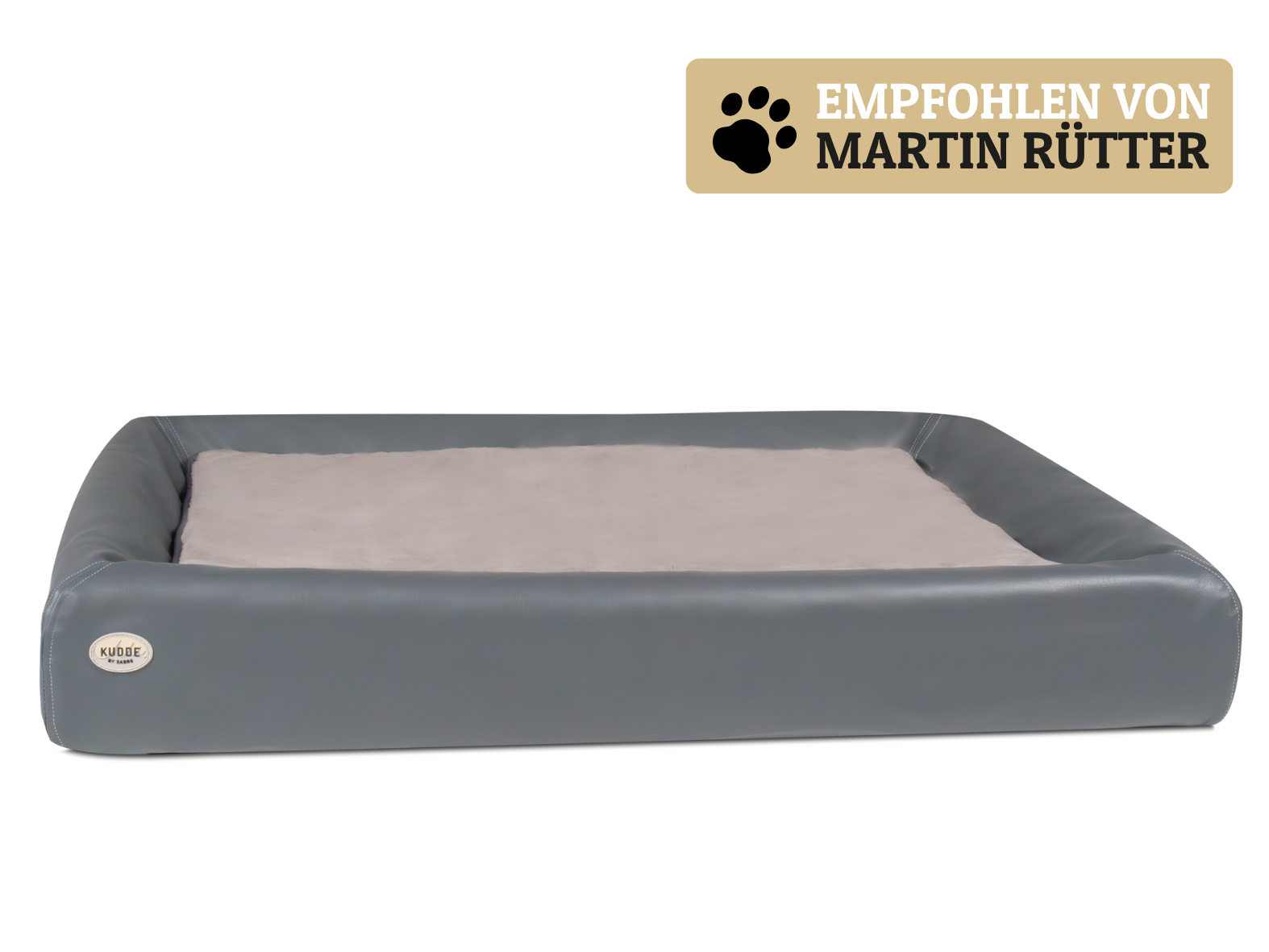
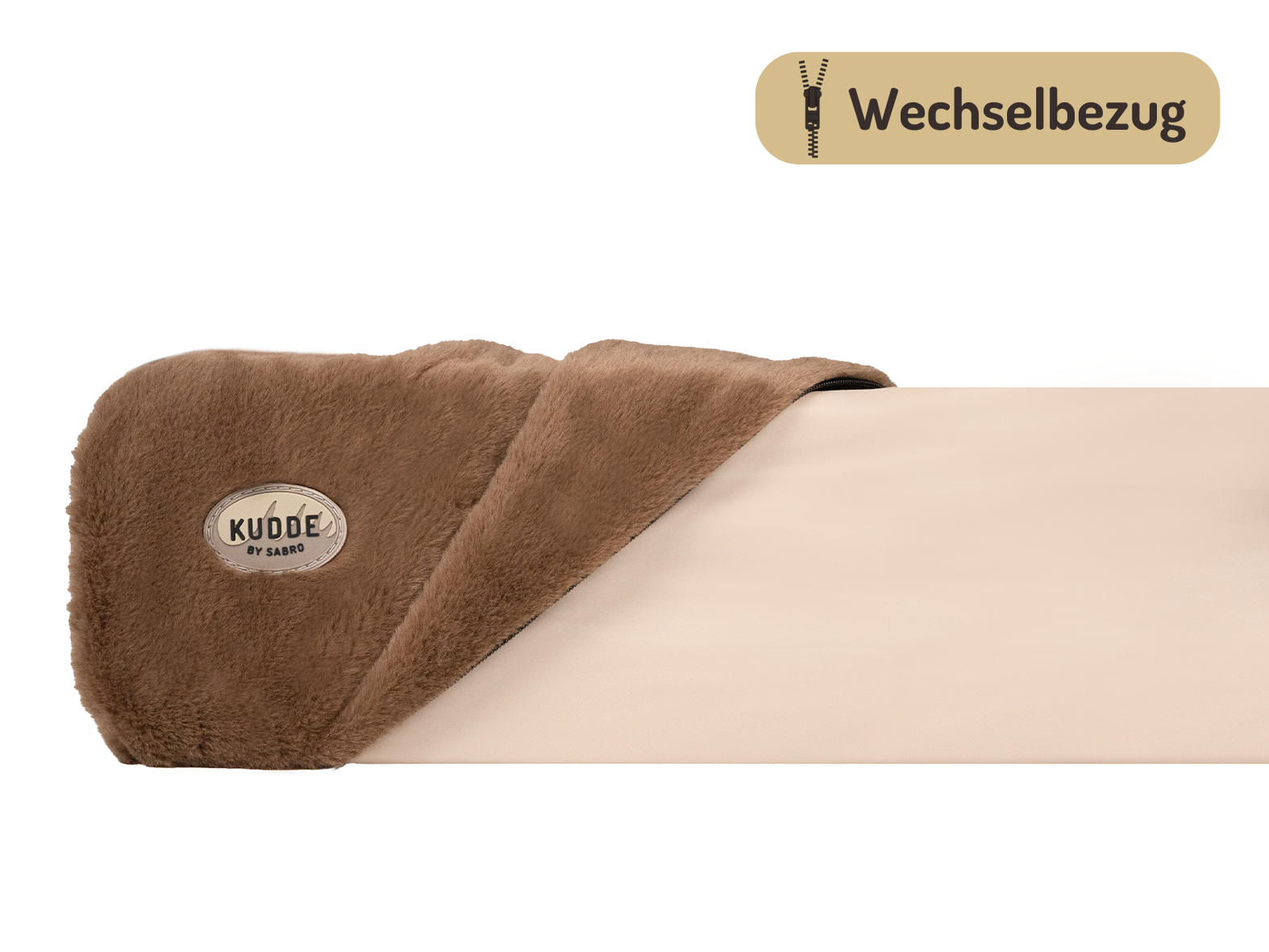
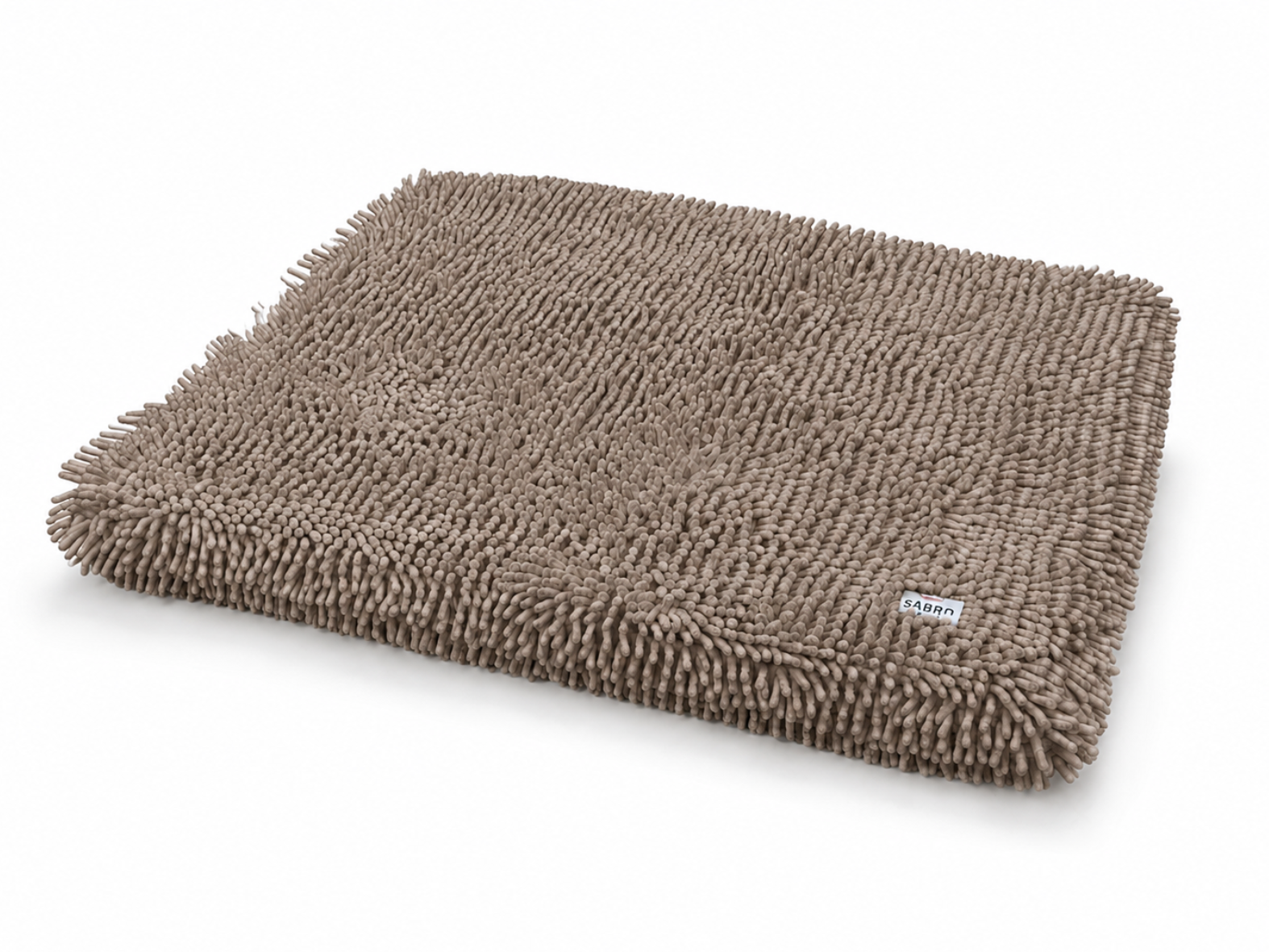
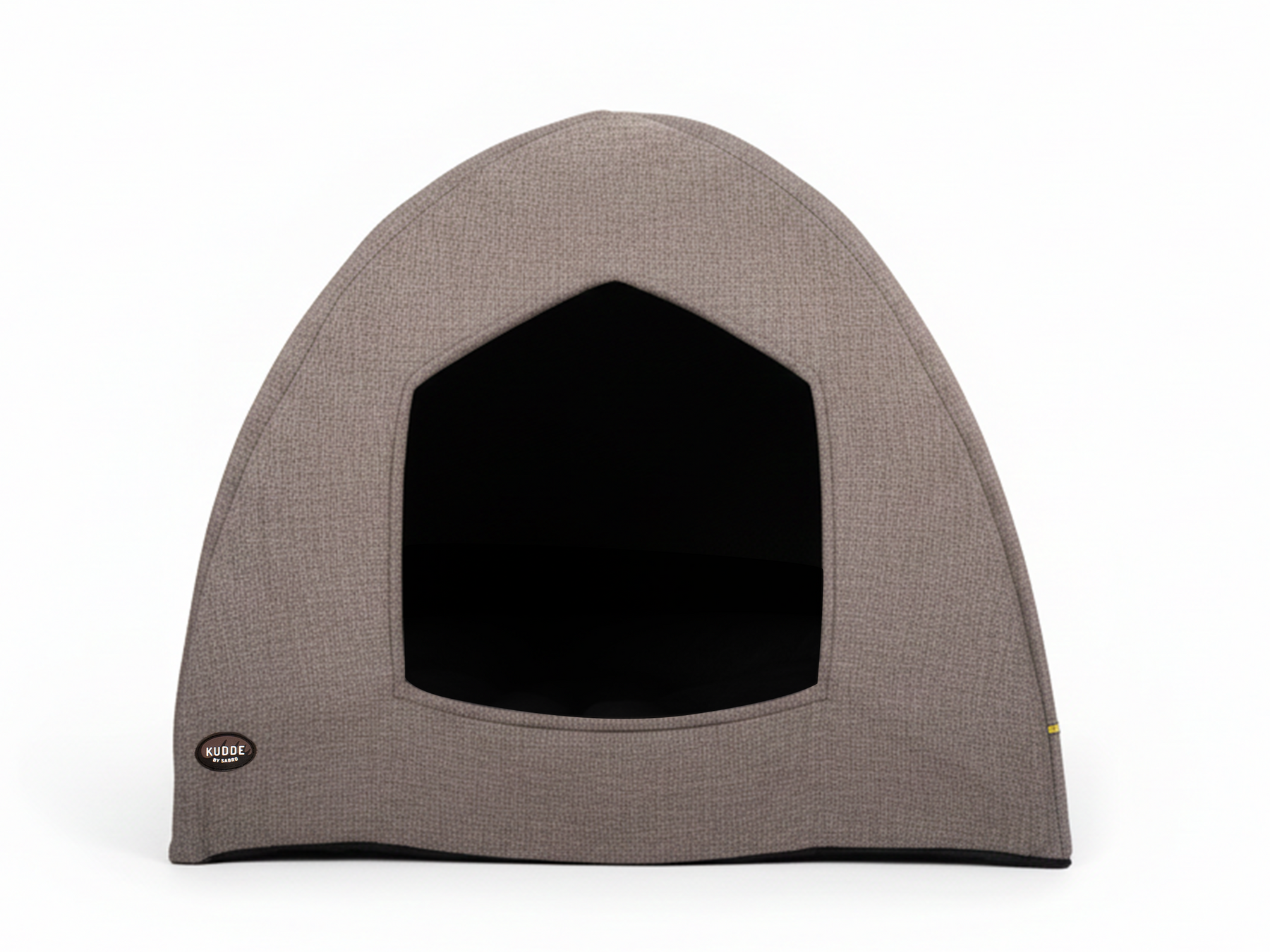
Like us humans, dogs sleep better when the environment is quiet during bedtime – and the sleeping place is also comfortable. Therefore, your dog's sleeping area should be quiet, comfortable, and free from disturbances. Your loyal companion should lie ergonomically and be able to support its head. That's exactly why we at SABRO developed the KUDDE dog bed – with a special focus on your dog's health. In the "KUDDE World" collection you will find all KUDDE dog bed variants and suitable accessories to offer your dog an all-round healthy and comfortable sleeping environment. Something that also prompts dog professional Martin Rütter to say: "This is how your dog sleeps naturally and healthily."
Benefits of so much sleep
Dogs don't just sleep because they're tired - sleep actually has many health benefits. Here are some of the most important:
Physical recovery
Dogs need sleep to recover physically. During sleep, cells are repaired and the immune system is strengthened. If your dog doesn't get enough sleep, it can make them sick.
Mental health
Sleep is also important for the mental health of dogs. Dogs that get enough sleep tend to be more alert and have a better mood than dogs that don't get enough sleep.
Bonus Tip: How to wake a dog correctly
If it is absolutely necessary to wake a dog, it should be done gently and carefully. Here are some tips:
- Avoid loud noises or sudden movements.
- Speak to the dog in a calm voice and approach slowly.
- Gently stroke your furry friend's fur and speak softly to him – so he immediately knows who is waking him up and that everything is alright.
Frequent questions about dog sleep
How much sleep does my dog need?
The sleep requirements of dogs vary depending on age, size, and health condition. In general, dogs need about 12 to 14 hours of sleep per day.
Should I disturb my dog while sleeping?
No, it is important that your dog remains undisturbed during sleep to fully recover.
How can I help my dog with sleep disorders?
If your dog suffers from sleep disorders, you should find out the cause